

© Industry Queensland. All rights reserved.

Designed by: Getmilk

Thermal coal to the rescue

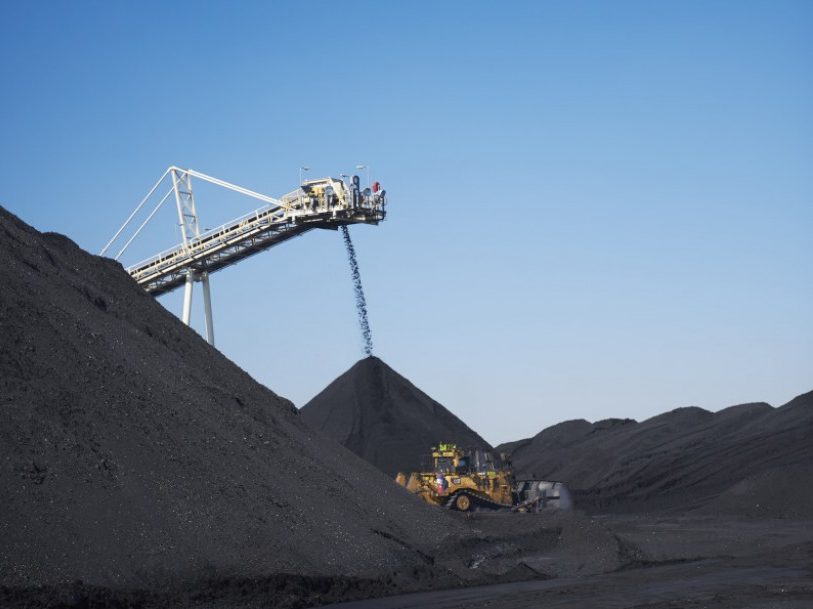
Australian thermal coal exports are helping offset inertia in the world economy.

It’s been outlined In the latest issue of Resources and Energy Quarterly (REQ) which reviews recent market movements and forecasts Australia’s position in the up-coming two years.

Thermal Coal Exports

Chinese imports of Australian thermal coal product have increased steadily in recent months — from zero in December 2022 to 3.6Mt in March 2023.

This compares to a monthly average of 4.2Mt over 2019.

Japan still remains the largest customer for Australian thermal coal, importing 5.9 Mt in March.

Chinese thermal coal demand is expected to remain solid over 2023, with a long-term decline commencing in 2024 and 2025. 

Australian exports to China were picking up strongly and adding significant pressure to the market for Australian coals, offsetting some of the weaker world economic growth and energy demand the REQ said.

Also, Australia was well placed to benefit from the incentives provided for low emission technologies under the US Inflation Reduction Act (IRA) — and the energy transition more broadly, the report said. 

Developed by the office of the chief economist, the REQ forecasts thermal coal prices to remain relatively high despite some easing over the past couple of months.

The Newcastle benchmark price (6,000 kcal) is forecast to fall to US$120t, from US$360t by 2025.

In that time, exports are expected to rise to 202mt from 178mt. Growth is expected to come from India.

Exports to lift, earnings to fall 

The story is different for coking coal where the REQ says, prices remain volatile. 

It’s estimated the Australian premium hard coking coal price will average US$273t this year.

It is likely to fall to around US$200t by 2025 as supply conditions improve.

The value of Australia’s Metallurgical Coal  exports is forecast to fall to two-thirds to $42 billion in 2024-25.

Higher production in New South Wales and particularly Queensland is expected to lift Australia’s exports from a weather-affected 157 Mt in 2022–23, to 175 Mt by 2024–25. 

Share Post:

Share Post:

3
You have FREE views remaining
×