

Rehabilitating legacy mining into public assets
Monash University researchers have built a database of more than 80,000 inactive and unused Australian mine sites in a project that highlights their positive potential.
With some ingenuity and investment, these sites could go from being liabilities to assets, said Associate Professor of Resources Engineering Mohan Yellishetty.
Professor Yellishetty and his international research team created an Australian-first geospatial database of all known active and inactive hard rock mine sites across the country.
Their database included 3536 Queensland mines and quarries, including 711 active sites, 104 under care and maintenance, 394 designated as heritage sites, and 2820 mines and 218 quarries described as neglected.
The study, published in Minerals, identified that roughly 82 per cent of Australia’s mine sites may require rehabilitation – something that presents an enormous economic, social and environmental challenge moving forward, according to Professor Yellishetty.
Most of these neglected mines existed from Australia’s prosperous gold mining era and were now a liability, he said.
Professor Yellishetty led the study titled ‘A Geospatial Database for Effective Mine Rehabilitation in Australia’, along with colleagues from The University of Melbourne, Swiss Federal Institute of Aquatic Science & Technology, ETH Zurich, the National University of Technology India.
The research team developed a Mining Incidence Documentation & Assessment Scheme (MIDAS) to catalogue and compare active and inactive mining data based on reports on mine sites that have been terminated, neglected or heritage classified.
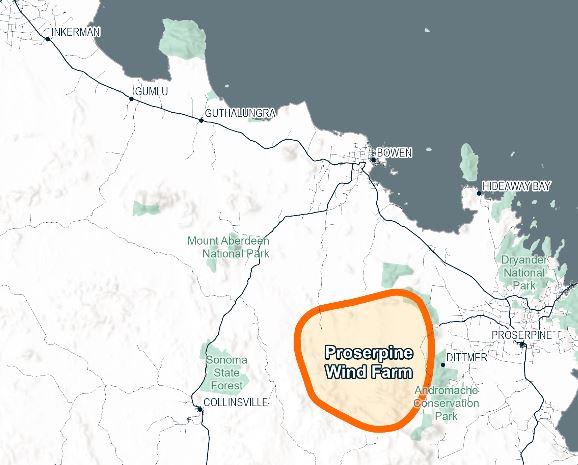
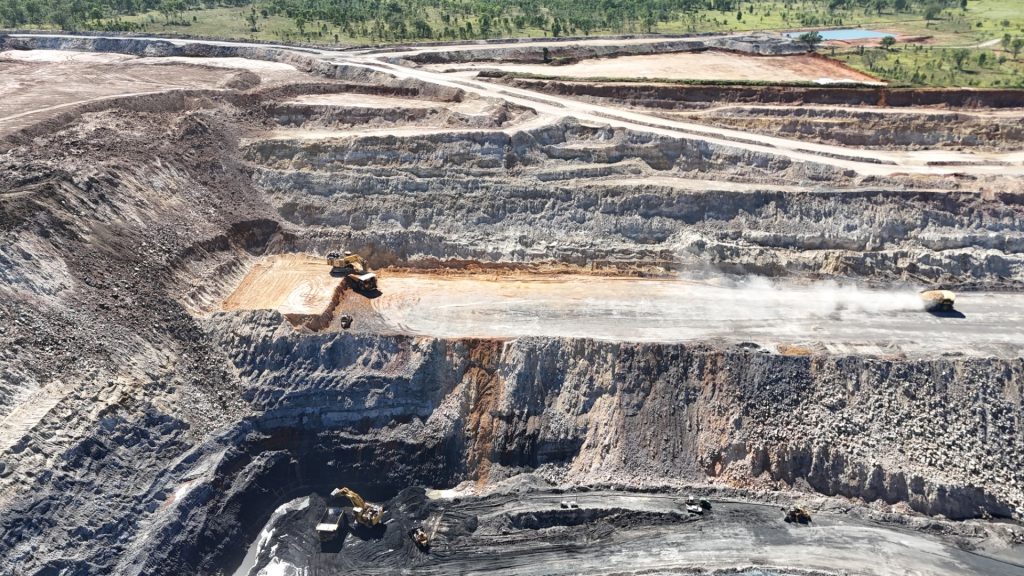
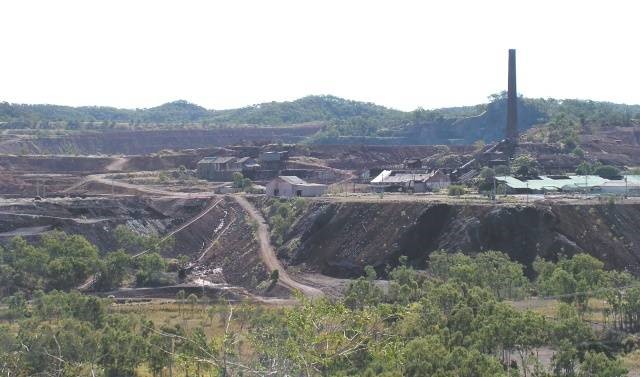
To highlight the potential use of the MIDAS database, researchers performed spatial analyses and environmental risk assessments on four abandoned mine case studies using satellite imagery in the state of Queensland.


“The insights enabled by this national-level spatial database enables the development of coordinated responses that extend beyond state borders. Our classification and methodology are easily transferable, and can be used to categorise active and inactive mine sites worldwide,” Professor Yellishetty said.
Researchers identified that while Australia’s abandoned mines are mostly considered liabilities, they say a number of them have the potential to be valuable assets if managed properly.
The potential opportunities for local industry diversification through the development of rehabilitation-based businesses include:
- Construction works (restoration and rehabilitation)
- Tourism potential to rehabilitated sites (e.g., bike paths and recreational lakes)
- Carbon farming opportunities (e.g., via Eucalyptus plantation on rehabilitated lands)
- Overburden waste for making building bricks and ceramic products to support regional construction industry
- Potential to use rehabilitation areas for renewable energy generation
- Nursery to supply plants, blending of waste streams to develop artificial soils that are used as capping material on the coal slopes, re-forestation
- Consulting practice through the monitoring of rehabilitated conditions (geotechnical and environmental).